ES
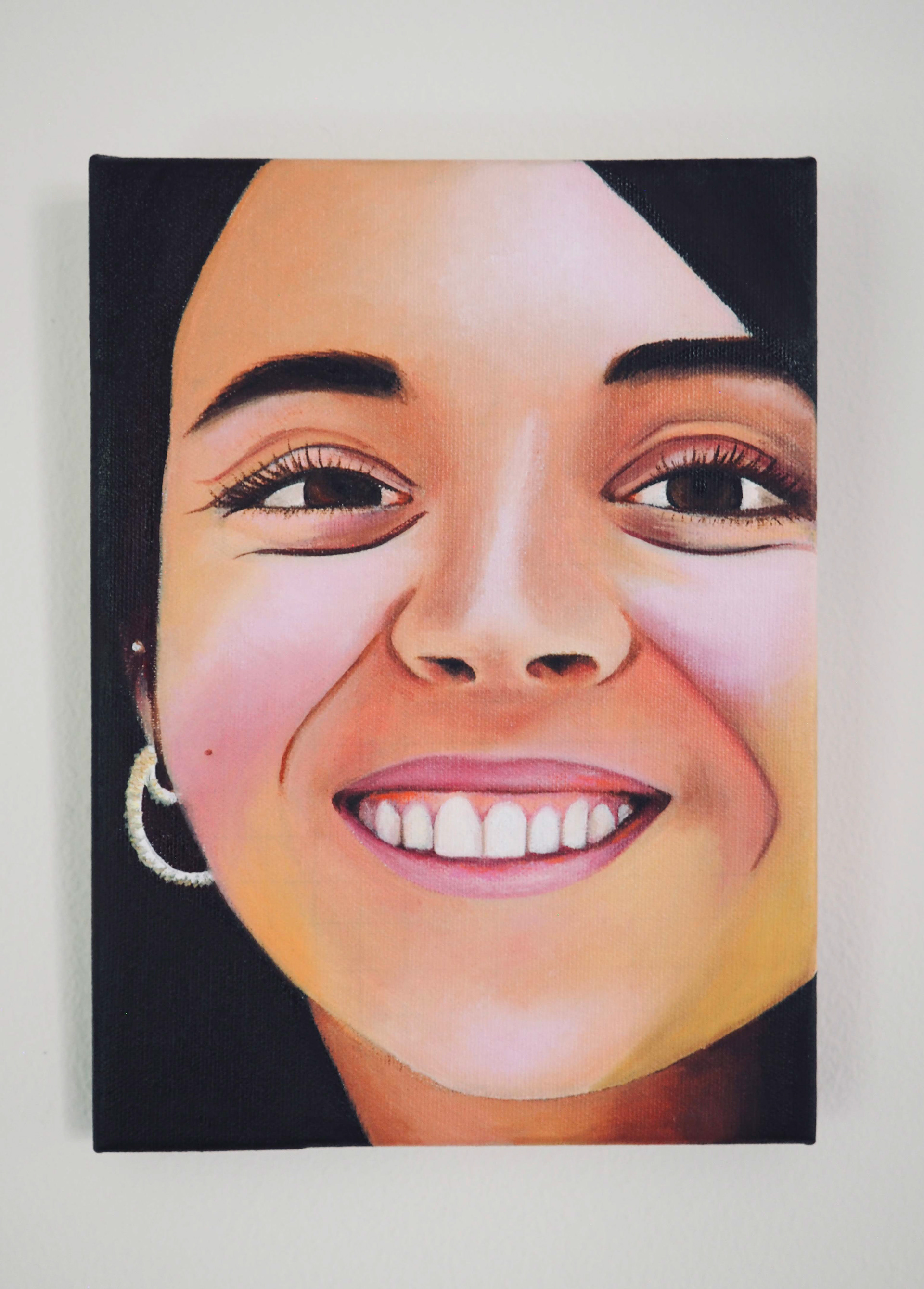
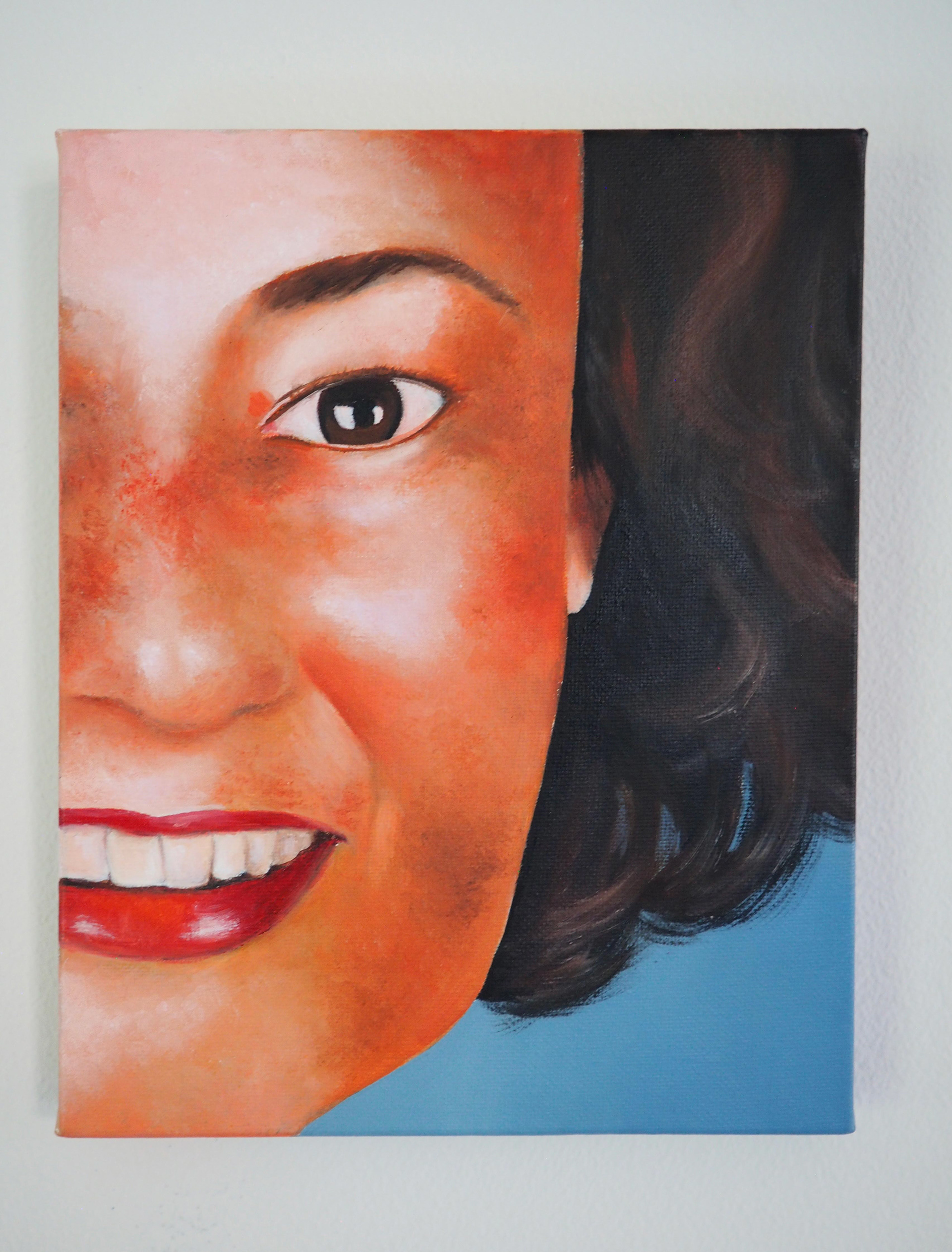
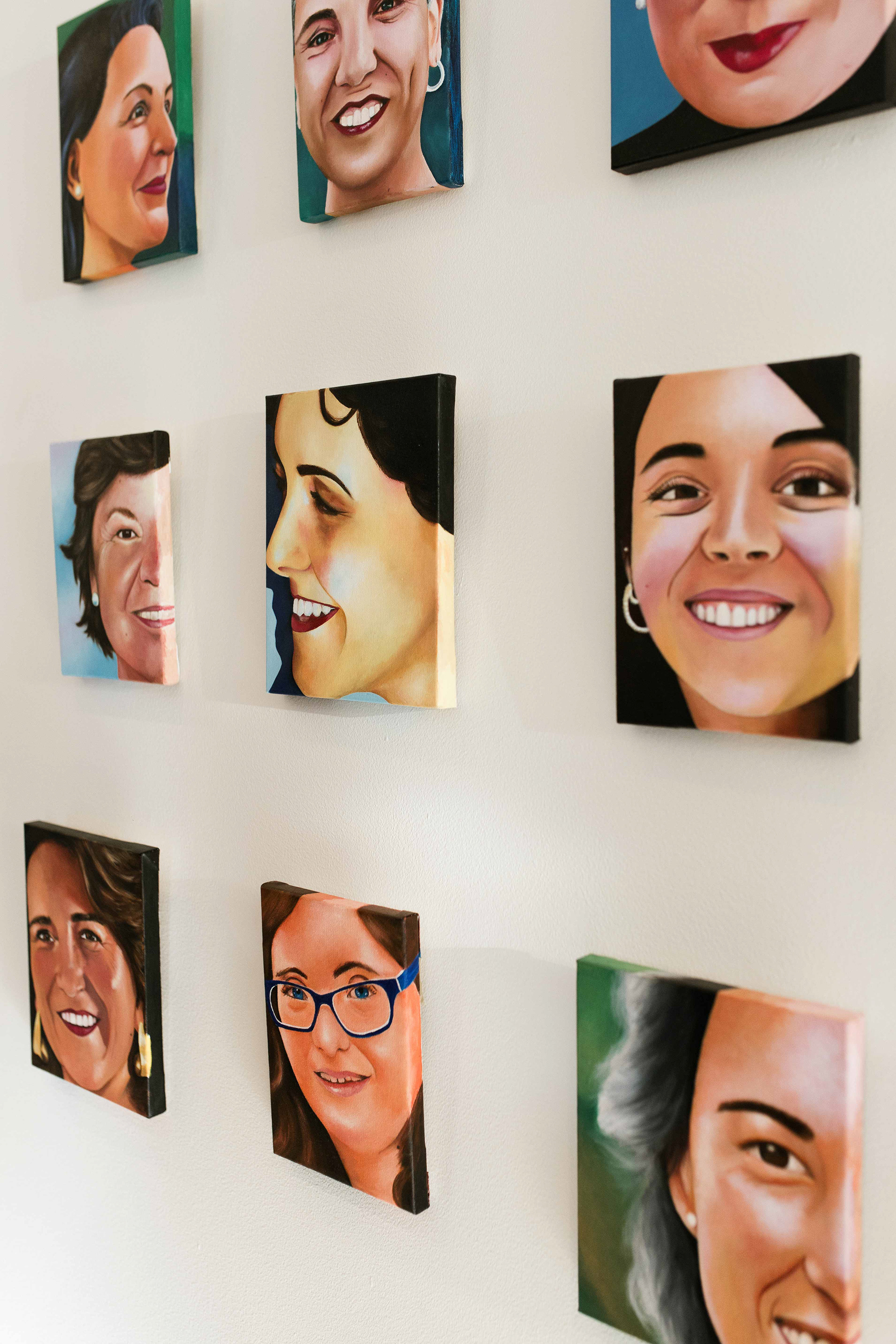
Este proyecto reúne trece retratos de mujeres que comparten una experiencia de vida marcada por el cáncer. Más que representar sus rostros, la obra nace del deseo de acercarse a una experiencia profundamente humana, donde conviven el miedo y la esperanza, la pérdida y el deseo de seguir viviendo.
Durante todo el proceso creativo, mientras trabajaba en el estudio, miraba cada uno de los retratos y pensaba para mis adentros: «son mis chicas». En cada pintura he intentado recoger todo aquello que ellas me confiaron: sus testimonios, nuestras conversaciones —la cena en casa de Angelies, las tardes con Cris— y la verdad de unas historias que trascienden la enfermedad para hablarnos, sobre todo, de la vida.
Este proyecto nace también de una memoria profundamente personal. Mi madre padeció esta enfermedad, y este trabajo se construye desde esa experiencia vivida. Desde ese lugar surgió una pregunta que me acompañó durante todo el proceso creativo: ¿cómo puede el arte representar aquello que tantas veces resulta difícil de nombrar?
La experiencia de la enfermedad transforma la manera de mirar la vida. Obliga a detenerse, a habitar el tiempo de otra forma y a descubrir el inmenso valor de lo cotidiano. Esa mirada, que reconocí primero en mi propia historia y después en la de cada una de estas mujeres, atraviesa toda la serie y da sentido a su título. Atravesadas habla de aquello que nos atraviesa y nos transforma; de las experiencias que dejan una huella permanente y hacen que ya no volvamos a ser quienes éramos.
Por eso, el cáncer aparece aquí como una parte de la biografía de estas mujeres, nunca como aquello que las define. Cada retrato reivindica la complejidad de una vida que no puede reducirse a un diagnóstico y propone una mirada que pone en el centro la identidad, la dignidad y la compañía.
EN
Atravesadas brings together thirteen portraits of women whose lives have been shaped by their experience of cancer. More than portraying their faces, this series is an attempt to explore a deeply human experience, where fear and hope, loss and the desire to keep living exist side by side.
Throughout the creative process, as I worked in the studio, I would often look at the portraits and think to myself, "These are my girls." Every painting grew out of an encounter. Through their testimonies, our conversations—the dinner at Angelines' house, the afternoons with Cris—and the trust they placed in me, I tried to capture stories that go beyond illness and speak, above all, about life.
This project also comes from a deeply personal place. My mother lived with cancer, and this body of work is rooted in that experience. It gave rise to a question that stayed with me throughout the entire process: How can art give form to something that is so often impossible to put into words?
The experience of illness changes the way we see life. It asks us to slow down, to experience time differently, and to recognize the extraordinary value of everyday moments. I first recognized this way of seeing in my own story, and later in the stories of each of these women. It runs through the entire series and gives meaning to its title.
Atravesadas is a Spanish word that literally means "passed through." It speaks of those experiences that pass through us and transform us forever—experiences that leave a permanent mark, so that we are never quite the same again.
Here, cancer is only one chapter in these women's lives, never the thing that defines them. Each portrait affirms the richness and complexity of a life that cannot be reduced to a diagnosis. Together, they invite us to see identity, dignity, and human connection beyond illness.
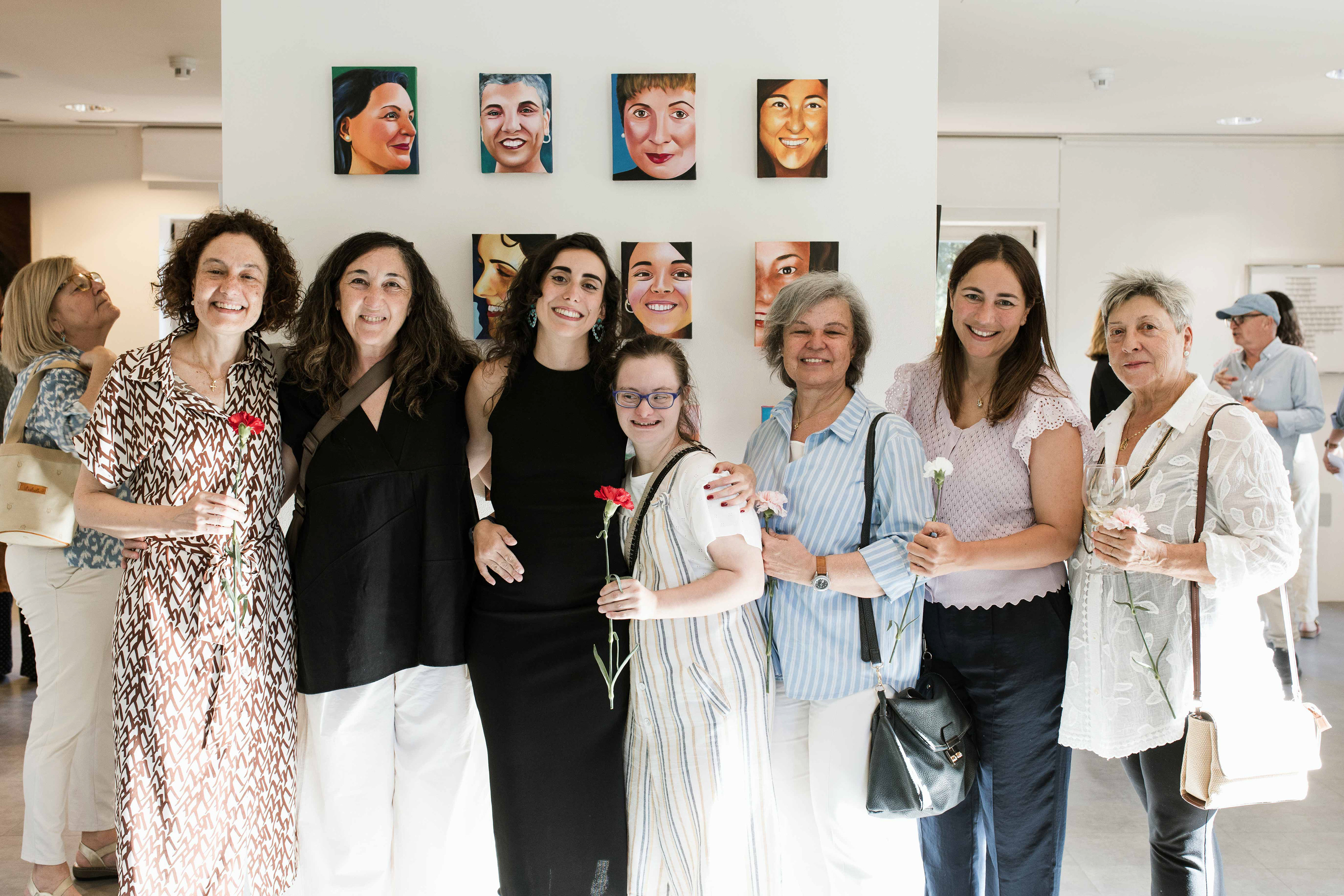
Las mujeres retratadas junto a Belén, sosteniendo un clavel frente a sus retratos.
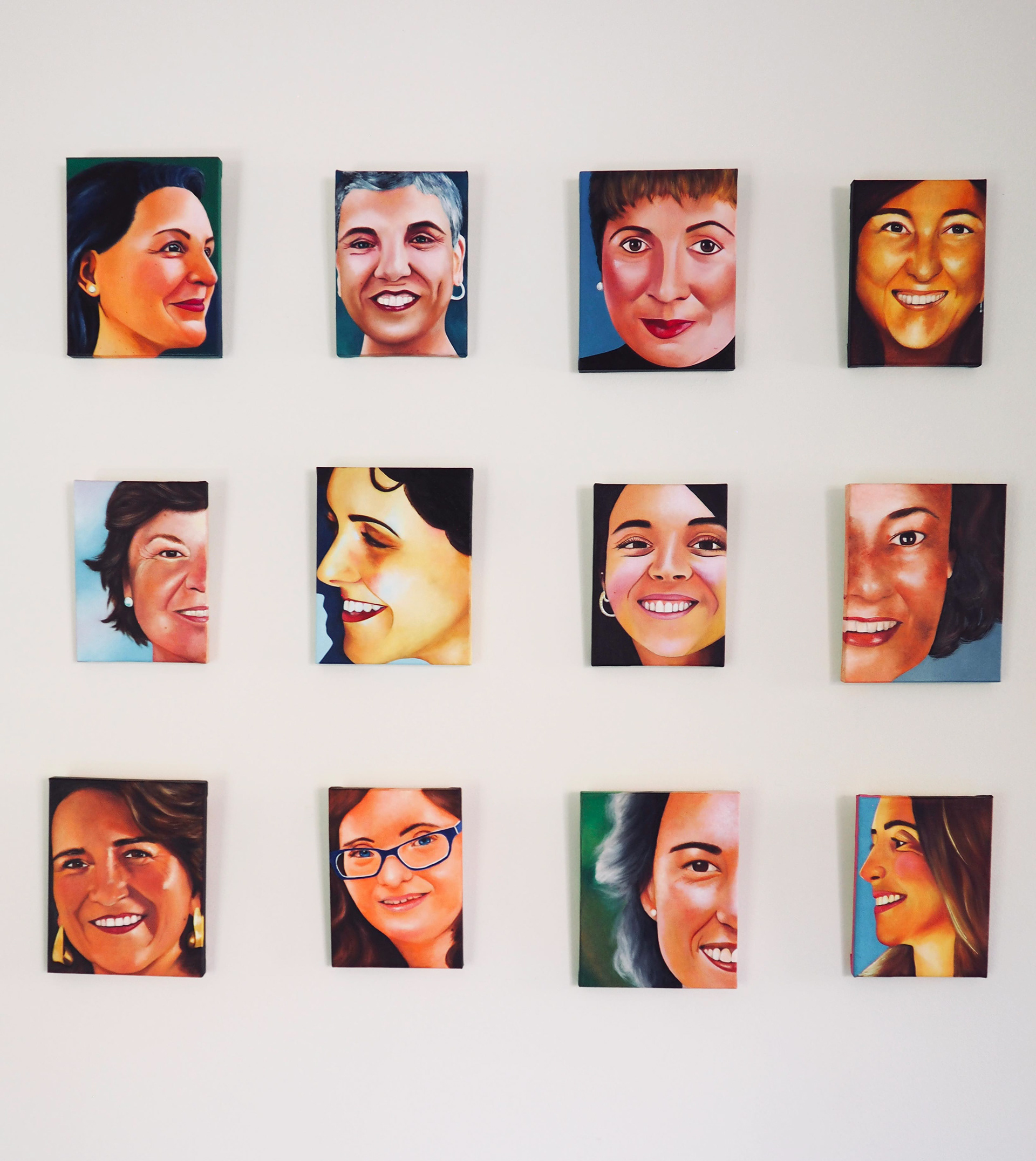
Proyecto Atravesadas. Trece retratos de mujeres, 2026, expuestos en la Fundación PONS
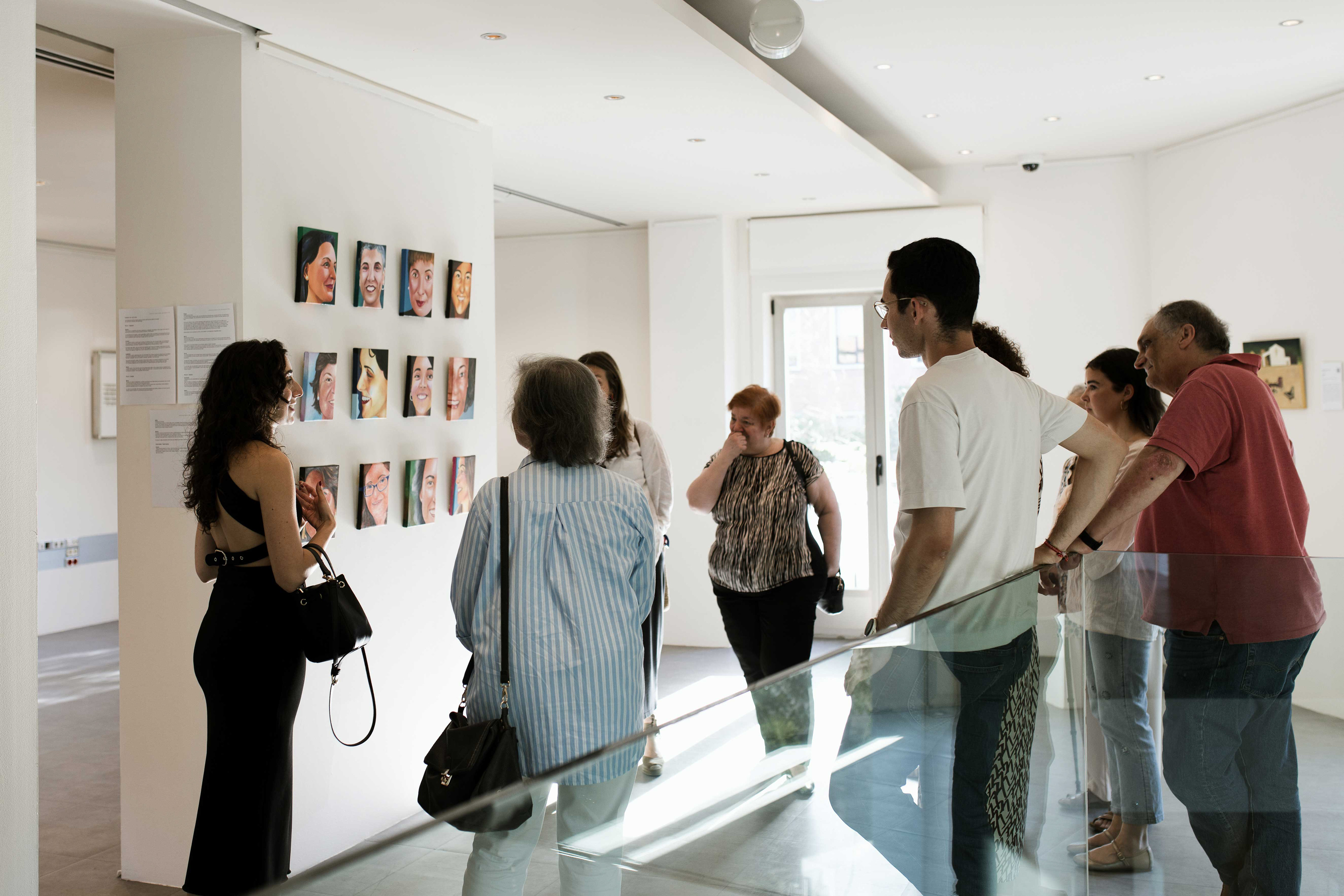
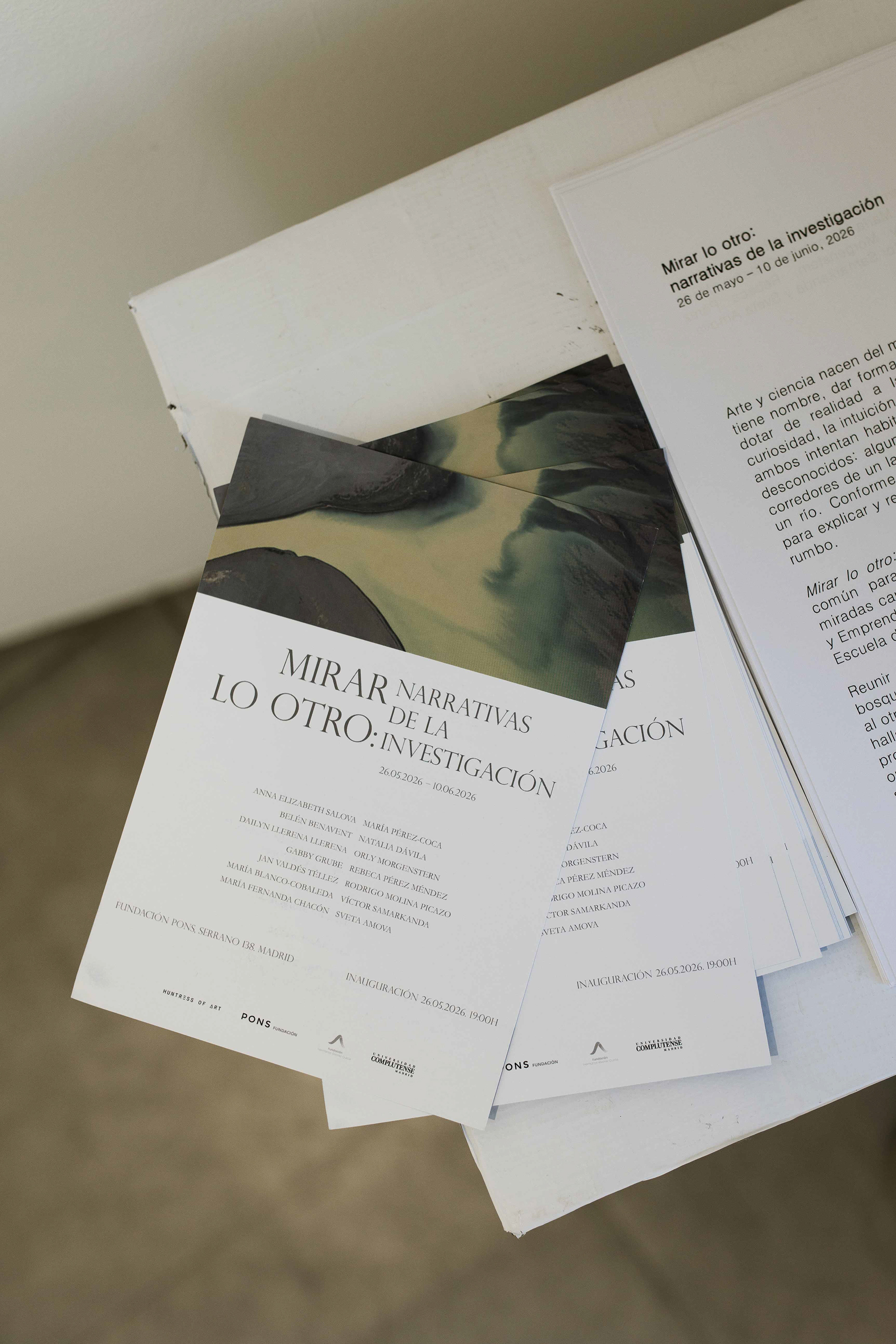
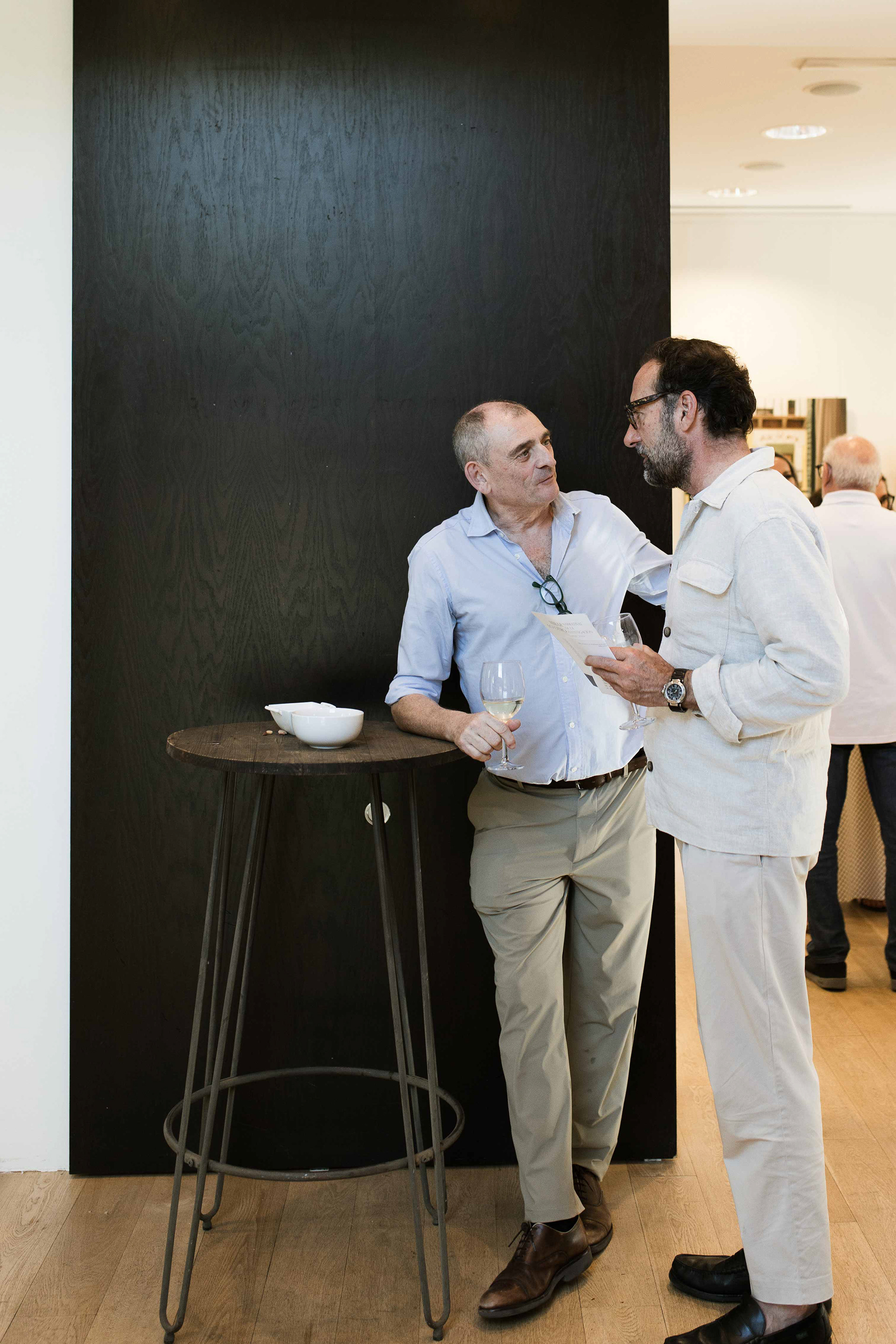
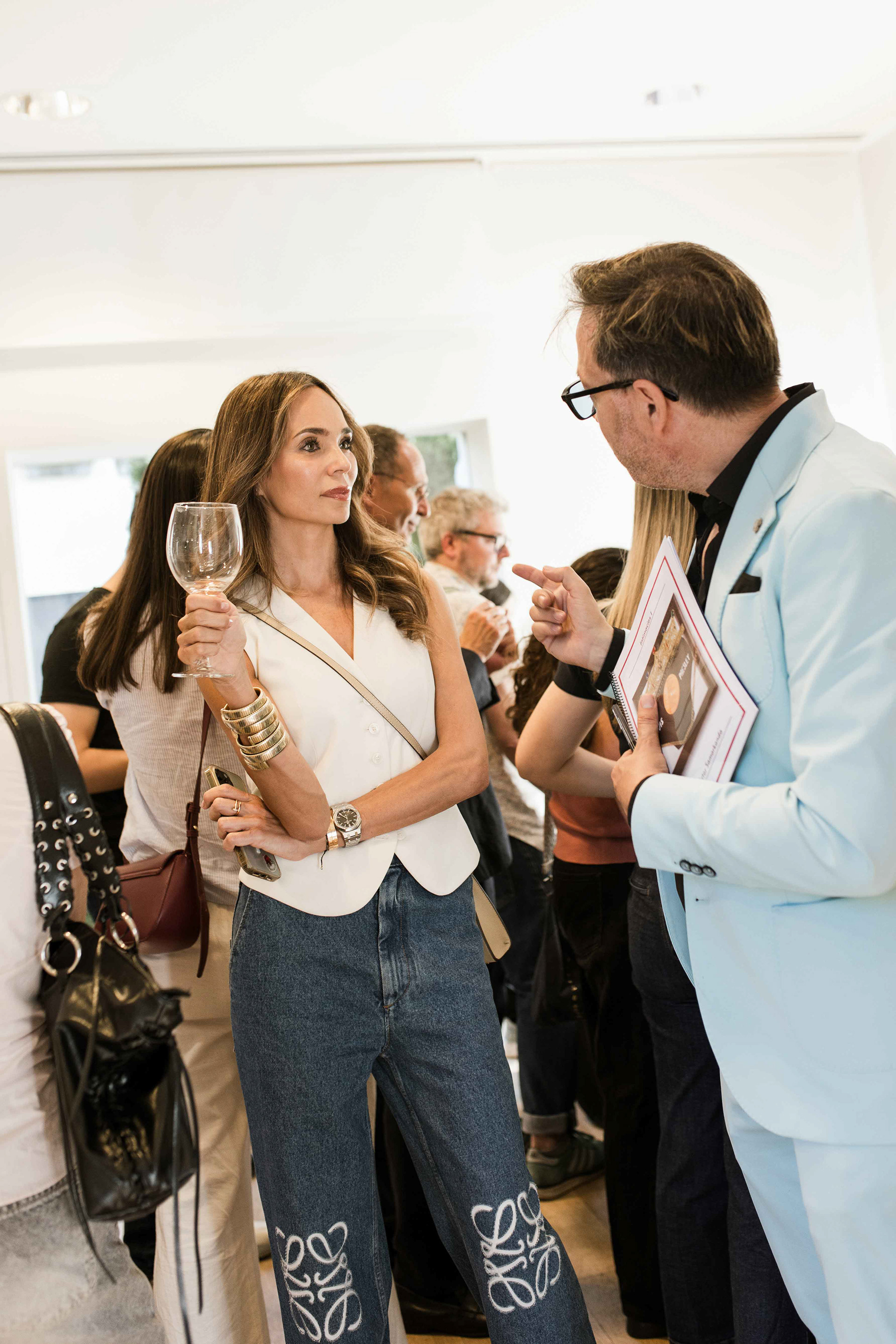
Exposición colectiva, Mirar lo otro: Narrativas de la investigación en la Fundación PONS (calle Serrano, Madrid), en colaboración con PONS Escuela de Negocios, Huntress of Art y la Fundación Hermanos Álvarez Quirós.
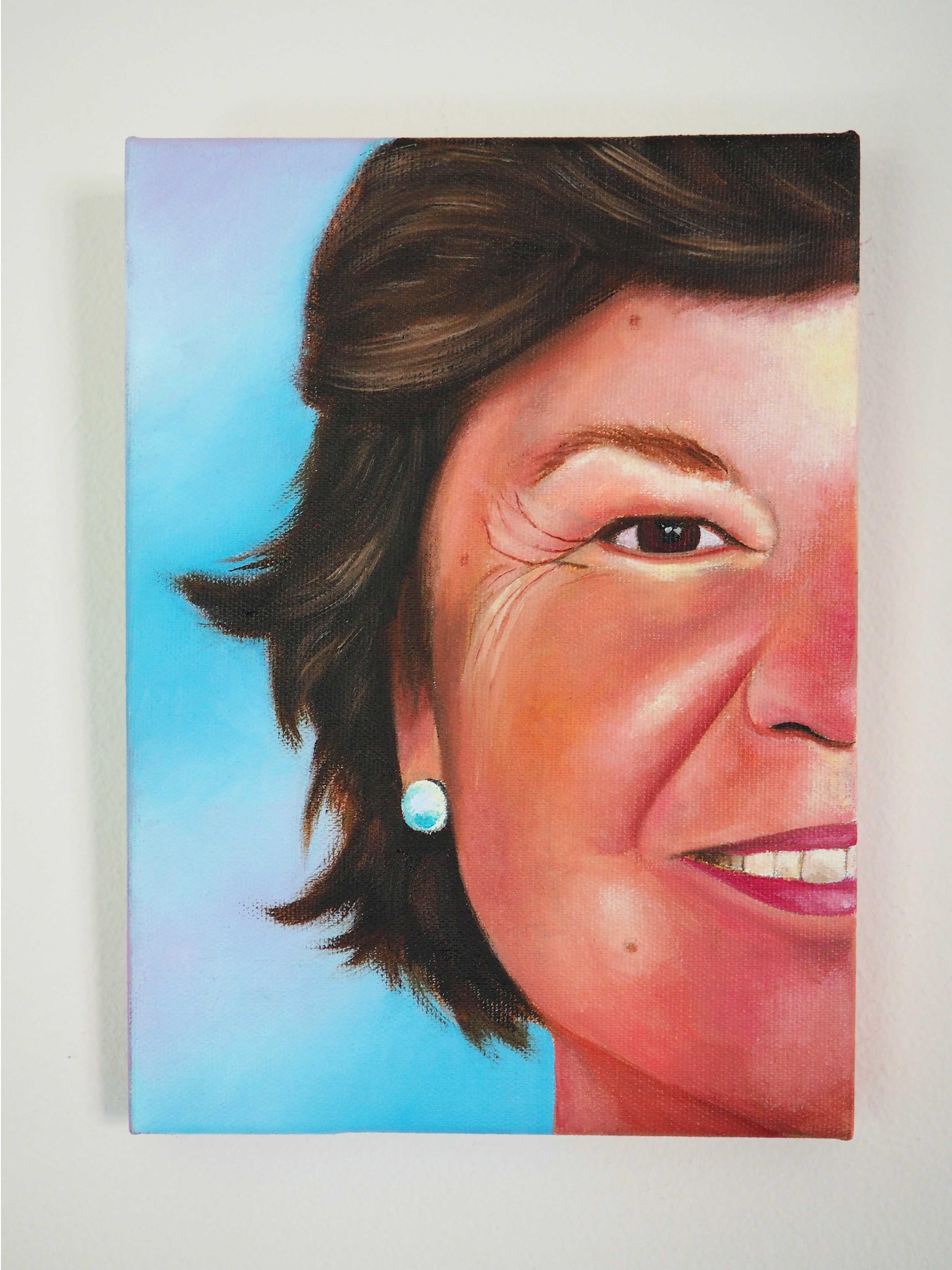
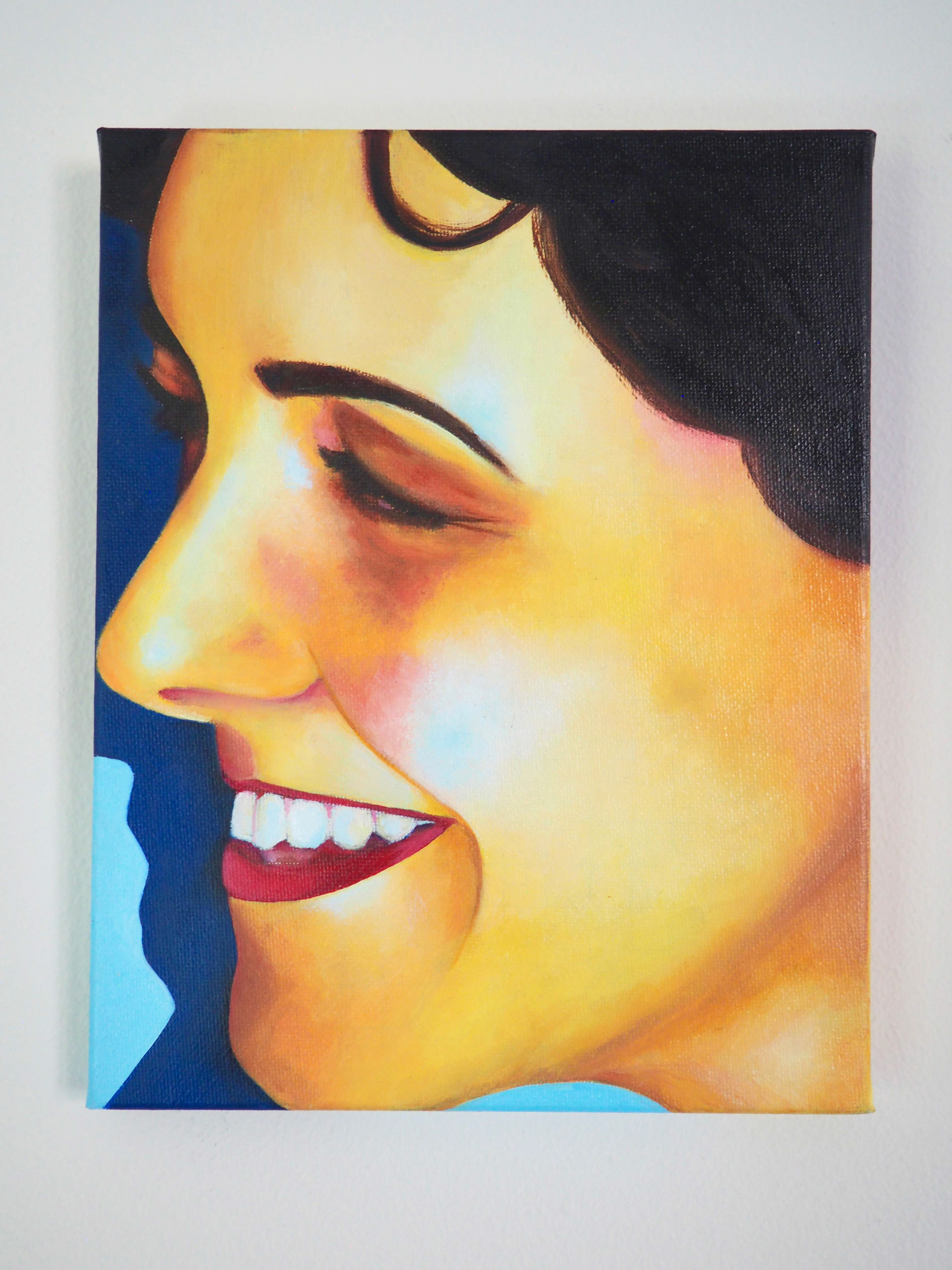
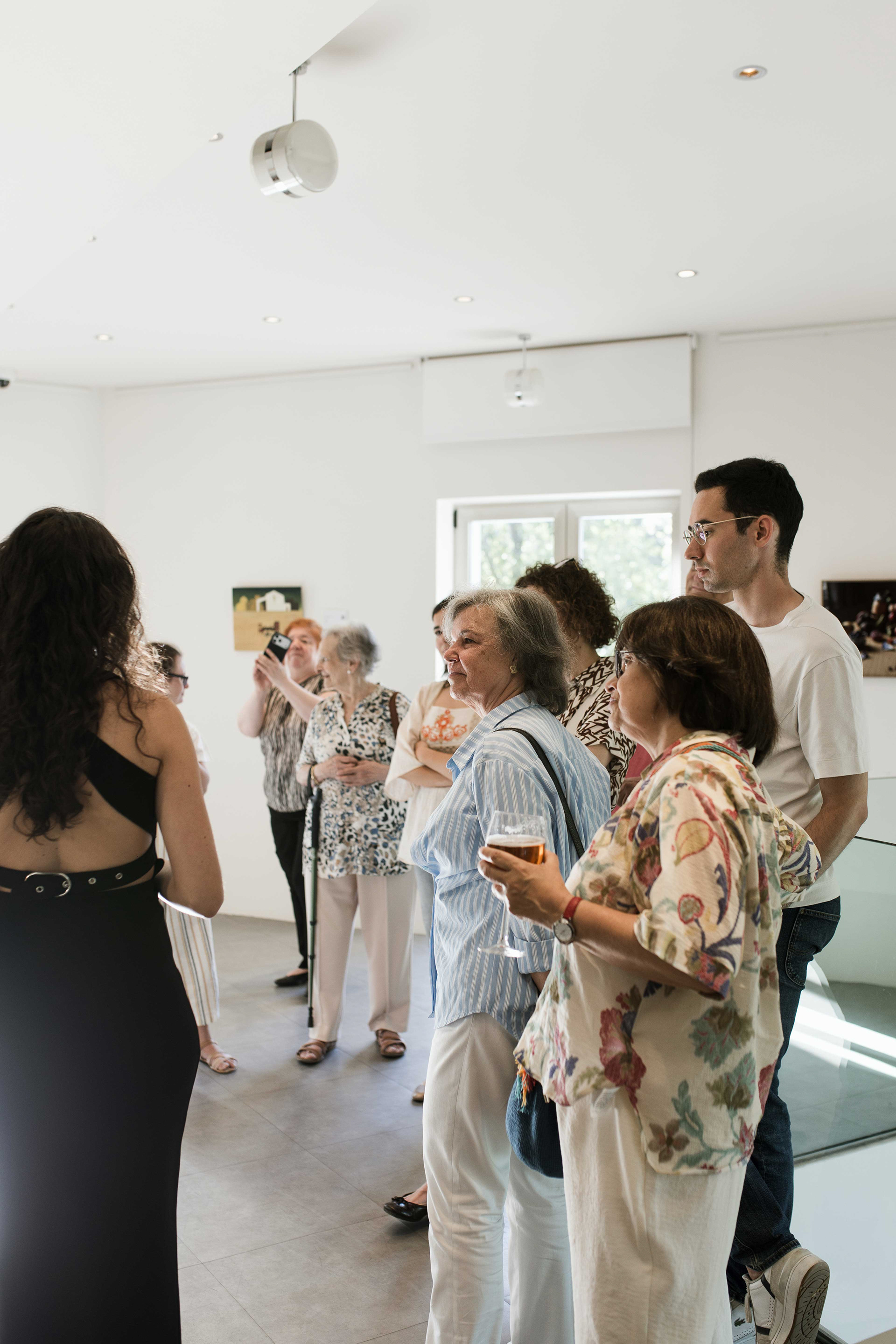
Exposición que une arte contemporáneo e investigación científica.
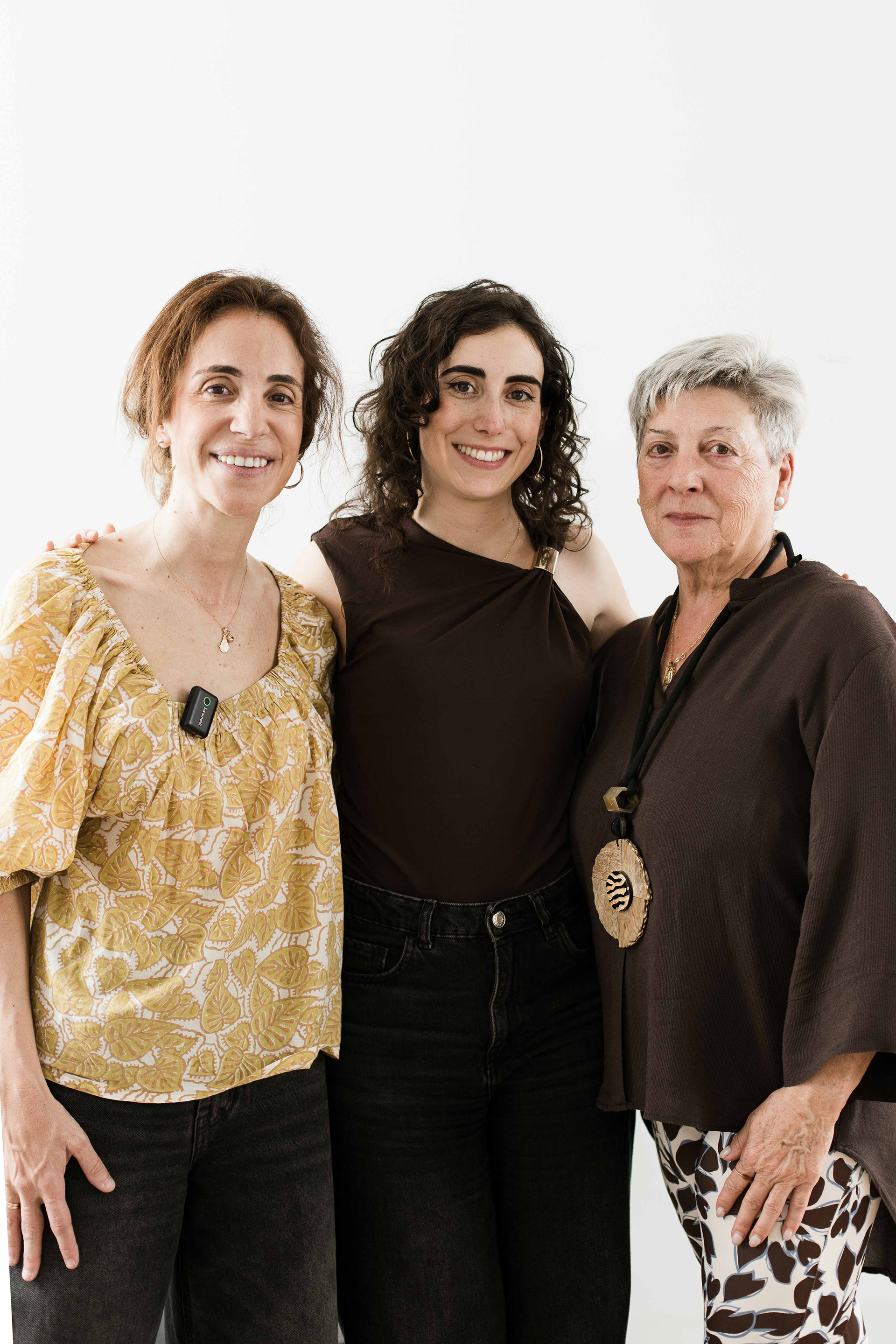
Belén junto a las mujeres entrevistadas para el vídeo.
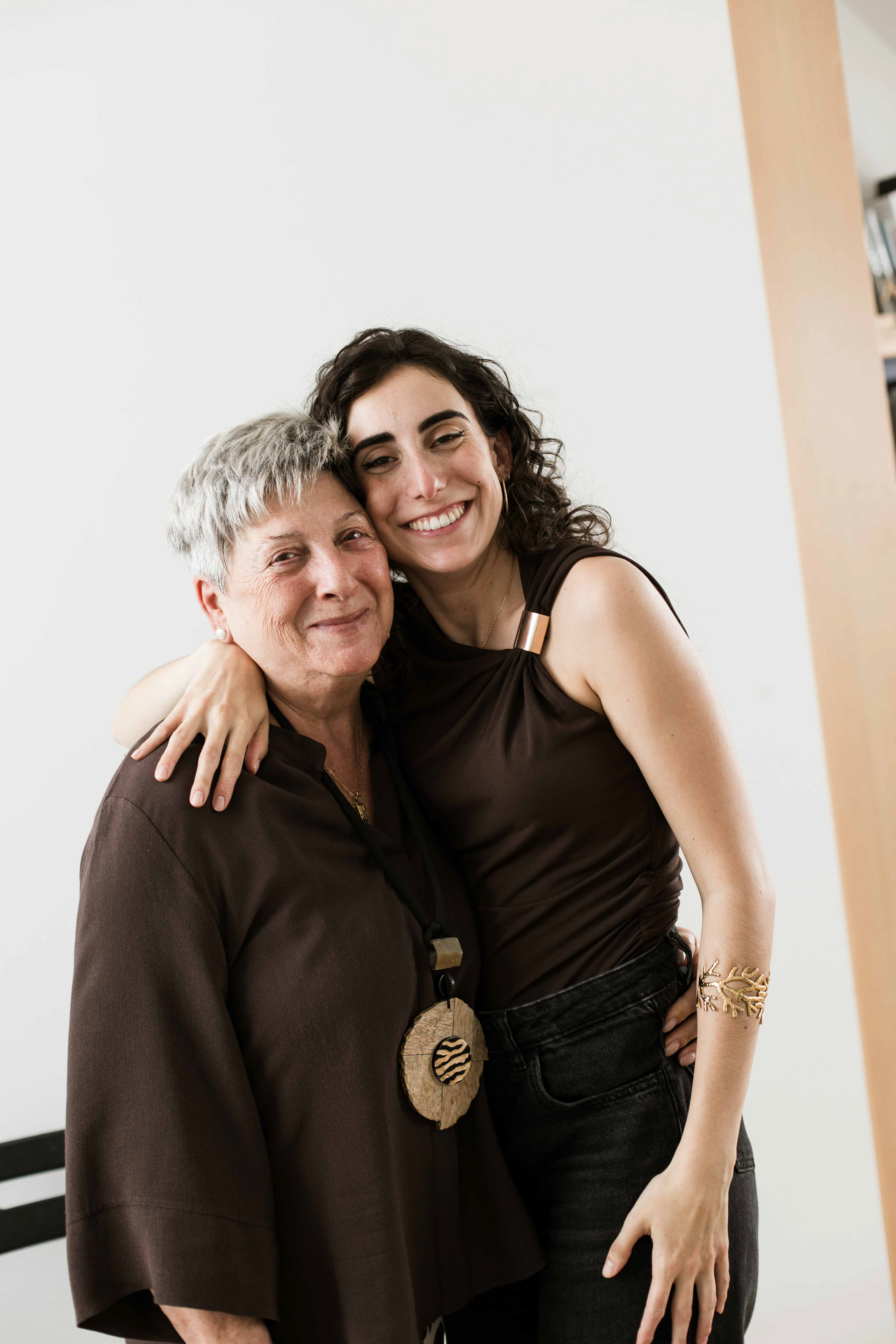
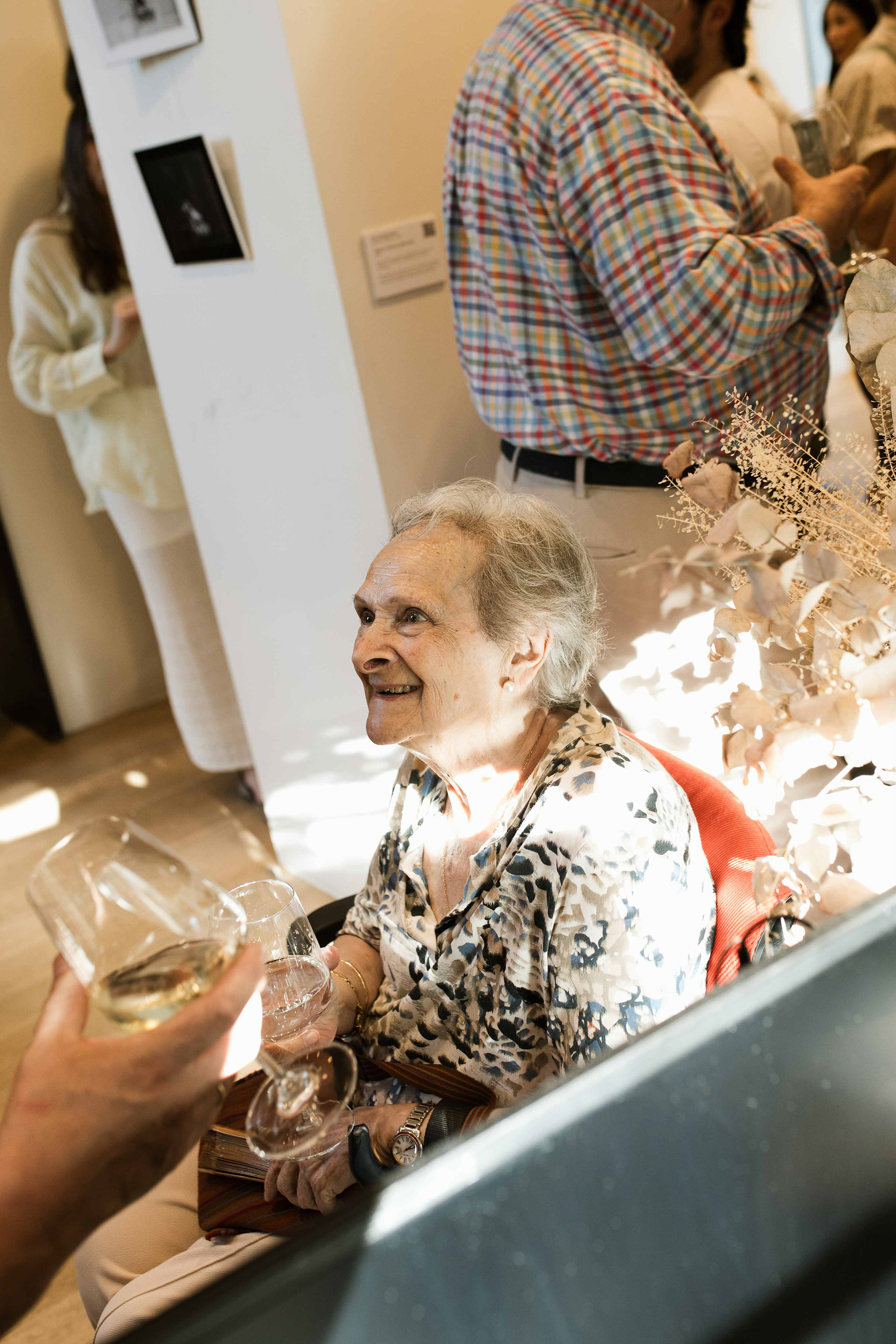
Angelines y Belén después de la entrevista.
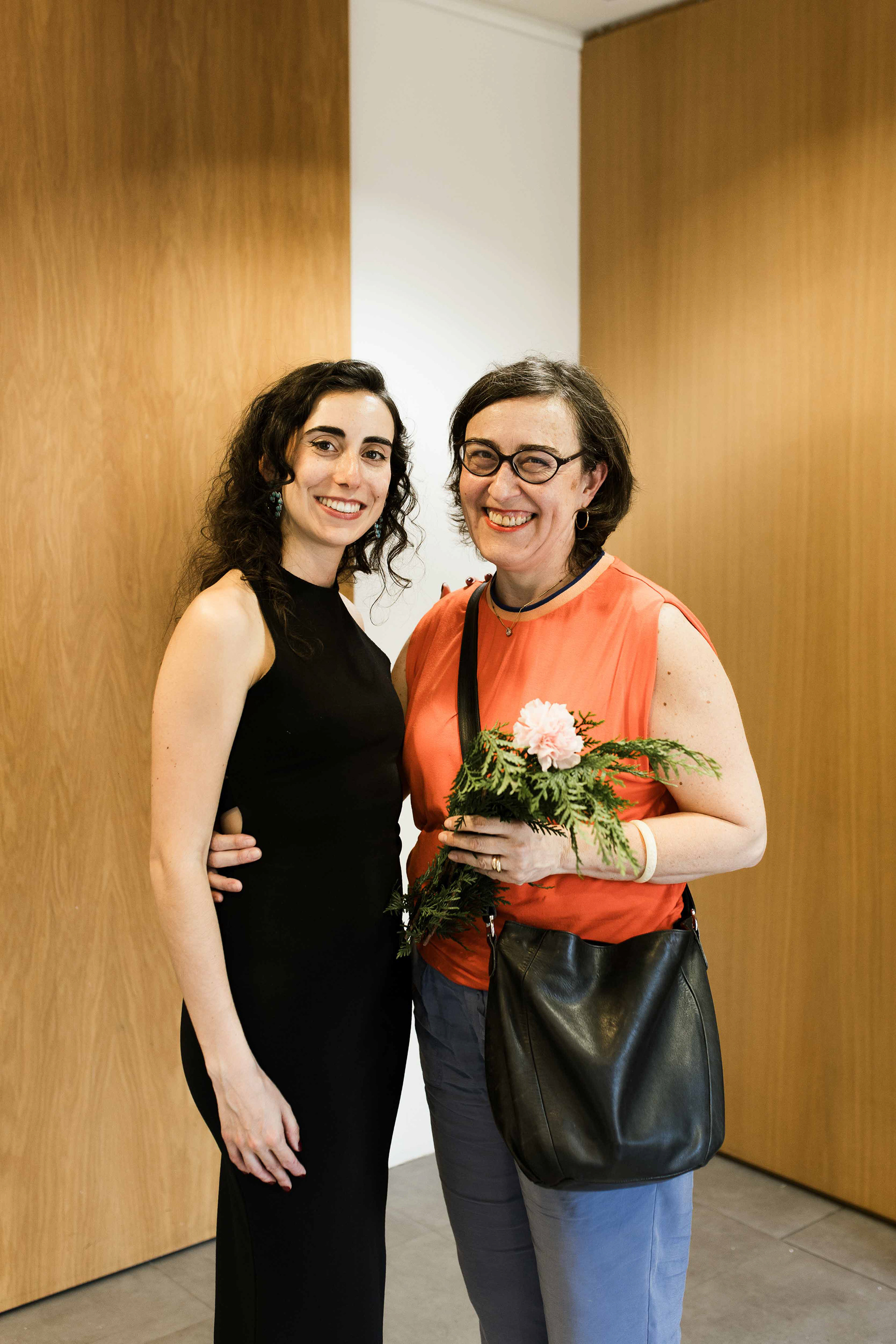
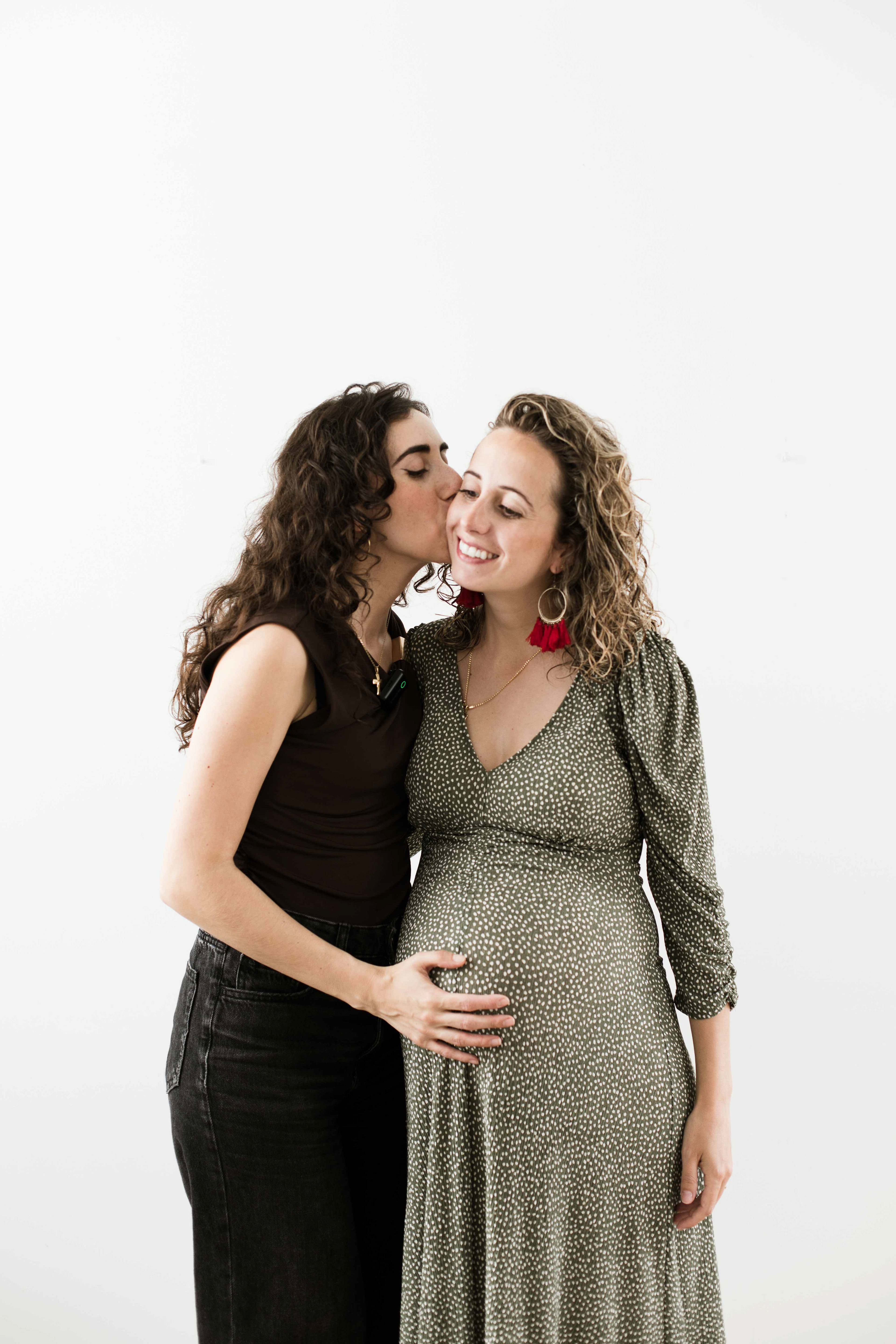
Belén junto a su hermana, embarazada y a pocas semanas de dar a luz.